
Operating commercial vehicles in California can create more than one layer of compliance responsibility. A fleet may need to manage federal DOT/FMCSA requirements, California state permitting, CHP terminal inspection expectations, CARB emissions requirements, and internal records that must be organized before a roadside inspection, terminal inspection, audit, insurance review, or customer review.
That is why “California DOT compliance” is not one single deadline. It is a group of requirements that may apply differently depending on where your fleet is based, whether you operate interstate or intrastate, what type of vehicles you operate, whether you transport property or passengers, whether you haul hazardous materials, and whether your vehicles are registered in California or simply operate there.
This guide summarizes the main California fleet compliance areas to review, including the California Motor Carrier Permit, BIT inspections, Clean Truck Check, vehicle records, driver records, and federal DOT/FMCSA overlap.
This page is for general educational purposes and should not be treated as legal advice. For fleet-specific guidance, talk with an experienced transportation safety consultant who can review your operation, vehicle mix, and current compliance program.
What California DOT compliance requirements should fleets track?
Fleets operating in California may need to track both federal DOT/FMCSA responsibilities and state-specific requirements such as the Motor Carrier Permit, BIT inspection program, Clean Truck Check, and related vehicle or carrier rules. NTCI can help fleets review how California requirements interact with broader DOT compliance responsibilities.
Why California Fleet Compliance Is Different
Many fleet operators assume that if they have a USDOT number, they are covered for every state requirement. That assumption can create problems in California.
Federal DOT/FMCSA compliance may still apply, especially for interstate motor carriers, certain passenger operations, hazmat operations, and commercial motor vehicles that meet federal thresholds. But California also has state-administered requirements that can apply to motor carriers operating within the state.
Common California-specific areas include:
- California Motor Carrier Permit requirements
- CA number requirements
- CHP Basic Inspection of Terminals, or BIT, program expectations
- Clean Truck Check reporting, fee, and emissions testing requirements
- California-specific vehicle and maintenance record expectations
- Hazmat, passenger, or specialized operation requirements where applicable
For fleets that enter California from another state, the key question is not simply, “Are we compliant with FMCSA?” It is also, “Are there California requirements that apply when our vehicles operate, pick up, deliver, dispatch, park, or maintain terminals in California?”
Federal DOT/FMCSA Requirements Still Matter
California requirements do not replace federal DOT/FMCSA obligations. For many fleets, California compliance sits on top of an existing federal compliance program.
At the federal level, carriers may need to review whether they need a USDOT number, operating authority, insurance filings, hazmat registration, or other registration steps. FMCSA states that companies subject to safety requirements are also required to obtain a USDOT number, and the registration process can include USDOT number, operating authority, state notification/registration requirements, and New Entrant Safety Assurance Program steps depending on the operation.
In general, FMCSA says a USDOT number is required for interstate operations that meet certain criteria, including vehicles over 10,000 pounds GVWR, GCWR, GVW, or GCW; certain passenger transportation operations; or hazardous materials transportation.
For California operators, this means the compliance review should start with the basics:
- What vehicles are being operated?
- What are the vehicle weights and configurations?
- Are the vehicles operating interstate, intrastate, or both?
- Is the company transporting property, passengers, hazardous materials, or specialized cargo?
- Is the company private, for-hire, or operating under a mixed model?
- Are federal and California registration records aligned?
Once those answers are clear, the California-specific requirements become easier to evaluate.
California Motor Carrier Permit: What Fleets Should Review
The California Motor Carrier Permit, commonly called the MCP, is a major state-level compliance item for many fleets operating in California.
California DMV states that new carriers must apply for an MCP before they begin operations and can apply online or by mail. DMV also lists supporting steps and documents that may be required, including obtaining a CA number from CHP, completing the MCP application, providing proof of insurance, providing proof of workers’ compensation insurance or exemption, obtaining an Employer Pull Notice requester code if applicable, and paying applicable fees.
Caltrans also explains that the MCP is issued by the California DMV. It states that in-state carriers operating only within California must obtain a motor carrier of property permit. For out-of-state carriers, Caltrans notes that an MCP may be required if the carrier is both delivering and picking up loads in California and is subject to UCR requirements.
Because applicability depends on operation type, fleets should not rely on assumptions. A California MCP review should include:
- Whether the fleet is based in California or operating into California from another state
- Whether vehicles are picking up, delivering, or both inside California
- Whether the company has or needs a CA number
- Whether the company has proof of liability insurance on file
- Whether workers’ compensation documentation or an exemption applies
- Whether the Employer Pull Notice program applies
- Whether the MCP is active, expired, suspended, or due for renewal
- Whether business name, DBA, address, phone, or entity changes require updates
A common issue is treating MCP as a one-time administrative item. In practice, it should be part of a broader compliance calendar that tracks renewals, insurance changes, business updates, vehicle additions, and related records.
CA Number and BIT Program Basics
The California Highway Patrol’s Basic Inspection of Terminals program is another important California compliance area for many property-carrying fleets.
CHP describes BIT as a terminal inspection program used to determine whether motor carriers are complying with motor carrier safety regulations, especially requirements to maintain commercial motor vehicles according to a scheduled preventive maintenance program. CHP also reviews whether required maintenance and driver records are prepared and retained as required by law.
The BIT program is performance-based. CHP materials state that terminal selection can be based on the California Performance Safety Score, which is derived from FMCSA Safety Measurement System BASIC percentiles. The CHP also notes that prioritized inspections can include terminals never previously inspected and terminals from which hazardous materials are transported.
For fleets with California terminals, the CA number and BIT review should include:
- Whether each applicable California terminal has been identified
- Whether the company has a CHP-issued CA number
- Whether vehicle maintenance schedules are documented
- Whether regulated vehicles receive required periodic inspections
- Whether driver records are complete and available
- Whether maintenance records are organized and retained
- Whether hazmat records and safety practices are ready for review, if applicable
CHP materials state that carriers must ensure each regulated vehicle is inspected at least every 90 days, or more often if needed to ensure safe operation. During a BIT inspection, CHP Motor Carrier Specialist personnel may inspect a sample of regulated vehicles, maintenance records, and driver records. If the motor carrier transports hazardous materials or hazardous waste, relevant hazardous materials records and safety practices may also be inspected.
Because BIT is tied to real operating records, fleets should treat it as more than a “terminal inspection.” It is a practical test of whether maintenance, driver records, vehicle records, and safety practices are being managed consistently.
Clean Truck Check: Reporting, Fees, and Emissions Testing
Clean Truck Check is California’s heavy-duty inspection and maintenance program administered by the California Air Resources Board.
CARB states that Clean Truck Check requirements are in effect for subject vehicles, including vehicles registered outside California when operating in the state. Subject vehicle owners must report, pay an annual compliance fee, and submit required passing emissions tests.
CARB guidance says affected vehicles include nearly all diesel and alternative fuel heavy-duty trucks, buses, and other vehicles with a gross vehicle weight rating over 14,000 pounds that operate in California. This includes hybrid trucks and buses, commercial vehicles, privately owned vehicles, government vehicles, and vehicles registered outside California. Fleet owners should review CARB guidance for exemptions and special categories.
For deadline management, CARB says compliance deadlines are available in the owner’s CTC-VIS account for each vehicle. Passing Clean Truck Check test results may be submitted up to 90 days before a compliance deadline, and CARB says the monthly account summary identifies vehicles with a compliance deadline in the next 90 days and any open enforcement actions.
CARB has also stated that the 2026 annual compliance fee is $32.13 for vehicle compliance deadlines on and after January 1, 2026.
Clean Truck Check is an area where fleets should avoid relying on a static spreadsheet alone. A useful internal process should include:
- Reviewing CTC-VIS due dates regularly
- Confirming which vehicles are subject to Clean Truck Check
- Tracking annual compliance fee status
- Scheduling emissions testing early enough to allow for repairs if needed
- Confirming test results are submitted by a CARB-credentialed tester
- Reviewing DMV transaction timing because compliance status can affect DMV transactions
- Monitoring open CARB enforcement actions
For fleets operating into California from other states, Clean Truck Check deserves special attention because CARB states that subject vehicles registered outside California are included when operating in the state.

Vehicle and Driver Records California Fleets Should Review
California compliance deadlines are only part of the picture. When a fleet is inspected, audited, or reviewed, documentation matters.
Depending on the operation, records to review may include:
- Vehicle maintenance records
- Preventive maintenance schedules
- 90-day inspection documentation for regulated vehicles, where applicable
- Driver records
- Driver qualification records
- Hours-of-service records, where applicable
- Drug and alcohol program records, where applicable
- Hazmat records and safety practices, if applicable
- Insurance and permit documentation
- MCP, CA number, and related state records
- Clean Truck Check reporting, fee, and testing records
For many fleets, the problem is not that nothing exists. The problem is that records are scattered across vendors, spreadsheets, driver files, maintenance systems, ELD systems, paper folders, and inboxes. That makes it harder to know what is current, what is missing, and what would be produced if an inspector or investigator asked for documentation.
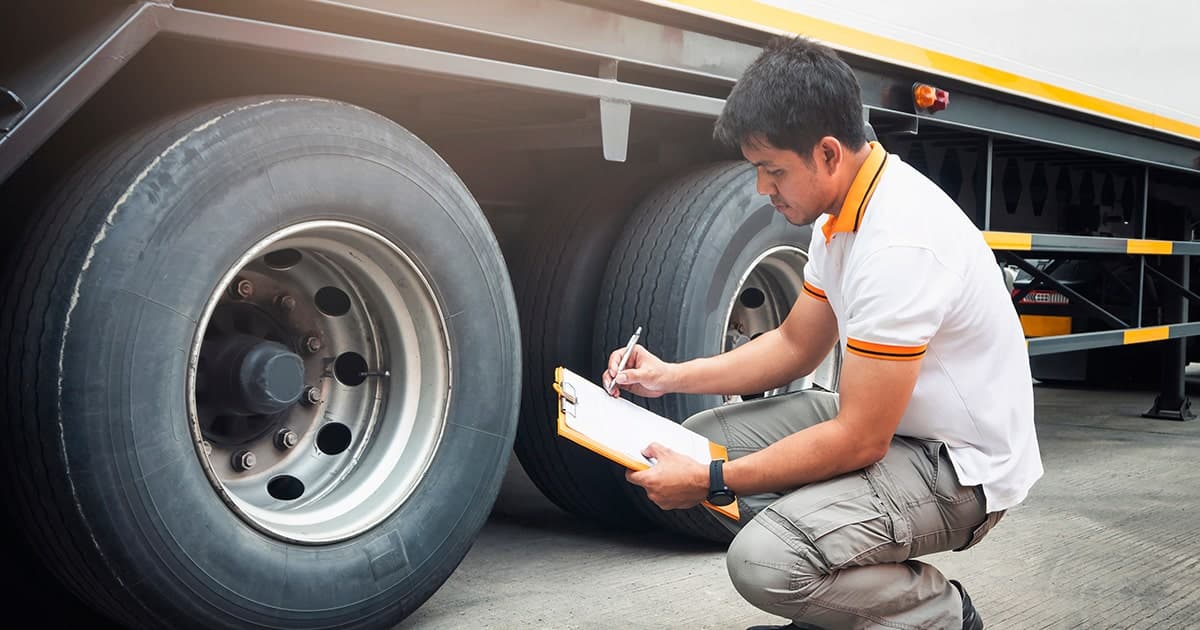
A structured vehicle maintenance file review can help identify whether records are complete, organized, and consistent before a formal inspection or deadline creates urgency.
Common California Compliance Gaps
California requirements can be missed because several agencies and systems may be involved. Federal DOT/FMCSA, California DMV, CHP, CARB, and internal fleet operations can all touch different parts of the same compliance picture.
Common gaps include:
Assuming USDOT compliance covers California requirements
A USDOT number is not the same thing as a California MCP, CA number, BIT readiness, or Clean Truck Check compliance. Fleets should review federal and California requirements separately.
Missing MCP or CA number updates
Business changes, entity changes, address changes, insurance changes, added vehicles, or operational changes may create update needs. MCP should be part of a living compliance calendar.
Waiting too long on Clean Truck Check
Because testing may reveal repair needs, fleets should not wait until the final deadline window. CARB allows passing tests to be submitted up to 90 days before the compliance deadline, which gives fleets time to address issues before the due date.
Treating BIT as a one-day inspection
BIT readiness depends on ongoing maintenance schedules, driver records, vehicle records, and terminal organization. Preparing at the last minute can be difficult if records have not been maintained throughout the year.
Overlooking out-of-state applicability
Out-of-state fleets should review California rules before operating in the state. Some California requirements can apply even when the company or vehicle is registered elsewhere.
Separating hazmat from the rest of the compliance program
If a fleet transports hazardous materials or hazardous waste, hazmat records and safety practices may be part of CHP review. Hazmat compliance training and program support should be connected to the broader fleet safety system rather than handled as a disconnected file.
How NTCI Helps Fleets Think Through California Compliance
National Transportation Consultants helps fleets understand how DOT/FMCSA compliance requirements connect to real-world fleet operations, records, training, audits, and ongoing safety management.
For California operations, the starting point is a practical review of the fleet’s exposure:
- Where do vehicles operate?
- Which vehicles enter California?
- Are vehicles based in California, registered in California, or only operating into California?
- Does the company pick up, deliver, or both within California?
- Are vehicles subject to Clean Truck Check?
- Are California terminals involved?
- Are vehicle maintenance and driver records organized?
- Does hazmat, passenger transport, or another specialized operation change the compliance picture?
- Are federal DOT/FMCSA records aligned with California records?
NTCI can help fleets identify gaps, organize questions, review records, and understand where California requirements may overlap with a broader DOT compliance program. Depending on the fleet’s needs, this may connect to DOT compliance services, vehicle maintenance file review, hazmat compliance training, or broader transportation safety consultant support.
When to Talk With a Consultant
California fleet compliance can become complicated when a company has multiple vehicle types, mixed interstate and intrastate operations, out-of-state vehicles entering California, hazmat exposure, multiple terminals, or a limited internal safety staff.
A consultant conversation may be useful if:
- You are unsure whether California MCP requirements apply
- You operate into California but are based in another state
- You have not reviewed Clean Truck Check status in CTC-VIS
- You do not have a clear calendar for California deadlines
- Your vehicle maintenance files are incomplete or spread across systems
- You are preparing for a BIT inspection
- You transport hazardous materials or hazardous waste
- Your team needs help connecting federal DOT requirements with California rules
The goal is not to make compliance more complicated. The goal is to clarify what applies, organize the records, and build a process your team can maintain.
Talk with an NTCI consultant about California fleet compliance.
FAQs
What California DOT compliance deadlines should I track?
Fleets operating in California should review MCP status and renewal needs, CA number/BIT applicability, regulated vehicle inspection schedules, Clean Truck Check reporting, fee, and emissions testing deadlines, and federal DOT/FMCSA registration or update requirements. The exact deadlines depend on your operation, vehicles, registration status, and whether the fleet is California-based or operating into California from another state.
What is the BIT Program?
BIT stands for Basic Inspection of Terminals. It is a California Highway Patrol program used to evaluate whether regulated motor carriers are complying with motor carrier safety requirements, including vehicle maintenance schedules, required maintenance records, driver records, and, where applicable, hazmat records and safety practices.
What is Clean Truck Check?
Clean Truck Check is California’s heavy-duty inspection and maintenance program administered by CARB. Subject vehicles operating in California may need to report in CTC-VIS, pay an annual compliance fee, and submit passing emissions compliance tests by the applicable vehicle deadline.
Do out-of-state fleets need to pay attention to California compliance?
Yes. Out-of-state fleets should review California requirements before operating in the state. CARB states that Clean Truck Check applies to subject vehicles registered outside California when operating in the state. Caltrans also notes MCP considerations for out-of-state motor carriers that both deliver and pick up loads in California and are subject to UCR requirements.
Is California compliance the same as FMCSA compliance?
No. Federal DOT/FMCSA requirements and California state requirements can overlap, but they are not the same. A fleet may need to manage federal requirements such as USDOT registration, operating authority, driver records, vehicle maintenance, and hazmat requirements while also addressing California-specific items such as MCP, CA number/BIT, and Clean Truck Check.
Can NTCI help with California DOT compliance?
NTCI can help fleets review how California requirements may connect to their broader DOT compliance program, records, vehicle maintenance practices, hazmat considerations, and safety management process. Exact California-specific service scope, including whether NTCI handles filings or permit support, should be confirmed with NTCI.
Get Help Reviewing California Fleet Compliance
California fleet compliance can involve federal DOT/FMCSA requirements, California DMV permitting, CHP terminal inspection expectations, CARB Clean Truck Check requirements, and internal records that need to be accurate and accessible.
NTCI helps fleets bring structure to complex compliance questions. If your vehicles operate in California, or if you are unsure which state and federal requirements apply, schedule time to talk with a consultant.
Recent Comments