Trusted DOT Compliance Help for Small Fleets with 1 to 10 Drivers
If you have a USDOT number — or think you might need one — NTCI helps small fleets understand what applies, prepare for a new entrant audit, and get straight answers from former motor carrier enforcement professionals.
Whether you’re confirming if you need a USDOT number, getting oriented after receiving one, or preparing for your new entrant audit — you’re in the right place.

- Former enforcement officers
- Thousands of mock audits
- No scare tactics, no hidden fees
Most small fleets come to us in one of four situations.
Running a small fleet shouldn’t mean decoding confusing DOT rules, fielding aggressive sales calls, and paying for compliance services you may not need.
You may need a USDOT number and want to get it right.
You’re adding trucks, trailers, regulated drivers, or interstate runs, and you want to know what applies before it turns into a costly mistake.
You just got your USDOT number and aren’t sure what’s next.
You know you’re subject to DOT requirements now, but you’re not certain which records, policies, files, and programs you’re expected to maintain.
You’re being flooded with mailers, emails, and sales calls.
Your business information becomes public the moment you register. You want honest answers from a real compliance company — not fear-based marketing or filings you may not actually need.
You’ve been notified of your new entrant audit.
You want to know what the audit covers, which documents you’ll need, and whether your company is genuinely prepared to pass.
Real expertise, sized to your operation.
National Transportation Consultants helps 1- to 10-driver companies get clear answers and practical support. Our team includes former motor carrier enforcement officers and regulatory specialists who know what the FMCSRs require, what investigators look for, and how to help a small company build a compliant program without overbuying.

Real experts, not scare tactics.
No pressure, no gimmicks, no hidden fees. We help you understand what applies to your operation — and what doesn’t.
Former enforcement officers on your side.
Our subject matter experts include former motor carrier enforcement officers, inspectors, investigators, and regulatory specialists who understand compliance from the enforcement side.
Hands-on help for small companies.
Most 1- to 10-driver fleets don’t have a dedicated safety department. That’s why we offer practical options that range from software to consulting to fully managed support.
Built around the FMCSRs.
Our support is designed to help you build an organized, defensible, audit-ready compliance program from the start.
Three ways to work with us.
Not sure which fits? Start with a compliance review and we’ll point you to the right one.
Safety Navigator™ Essentials
Best for: Small fleets that want to manage compliance in-house with the right software and structure.
- Access to Safety Navigator™ compliance software
- Driver file organization and document storage
- FMCSA-mandated screenings accessible through Safety Navigator™
- Automated reminders and compliance tracking
- Centralized visibility into required tasks and renewals
- A more structured alternative to spreadsheets and shared drives
Who it fits: Companies that want a cost-effective software solution and have internal staff who can manage the day-to-day work.
New Entrant Audit Prep & Consulting
Best for: Companies that recently received a USDOT number and want expert help preparing for their audit or setting up the basics correctly.
- A focused compliance review
- New entrant audit readiness guidance
- Driver qualification file review
- Guidance on required policies, forms, and recordkeeping
- Recommendations on HOS, maintenance, drug and alcohol, and other applicable requirements
- Direct consulting support from an experienced NTCI professional
Who it fits: Owners and managers who want expert guidance without a long-term managed services commitment.
Small Fleet Managed Compliance
Best for: Companies that want peace of mind and prefer hands-on support from NTCI rather than managing compliance alone.
- Deployment and implementation of Safety Navigator™ compliance software
- Ongoing compliance support
- Help maintaining driver qualification files
- Guidance on recurring compliance tasks
- Access to experienced DOT professionals when questions arise
- Support designed to reduce confusion, save time, and strengthen audit readiness
Who it fits: Small fleets without internal compliance expertise who want a trusted partner helping them stay on track.
Pick the level of support that matches how you work.
Choose software if…
you want a structured system and plan to handle compliance internally.
Choose consulting if…
you need help getting set up, preparing for a new entrant audit, or solving a specific compliance problem.
Choose managed services if…
you want ongoing support, faster answers, and the confidence that comes from having experts in your corner.
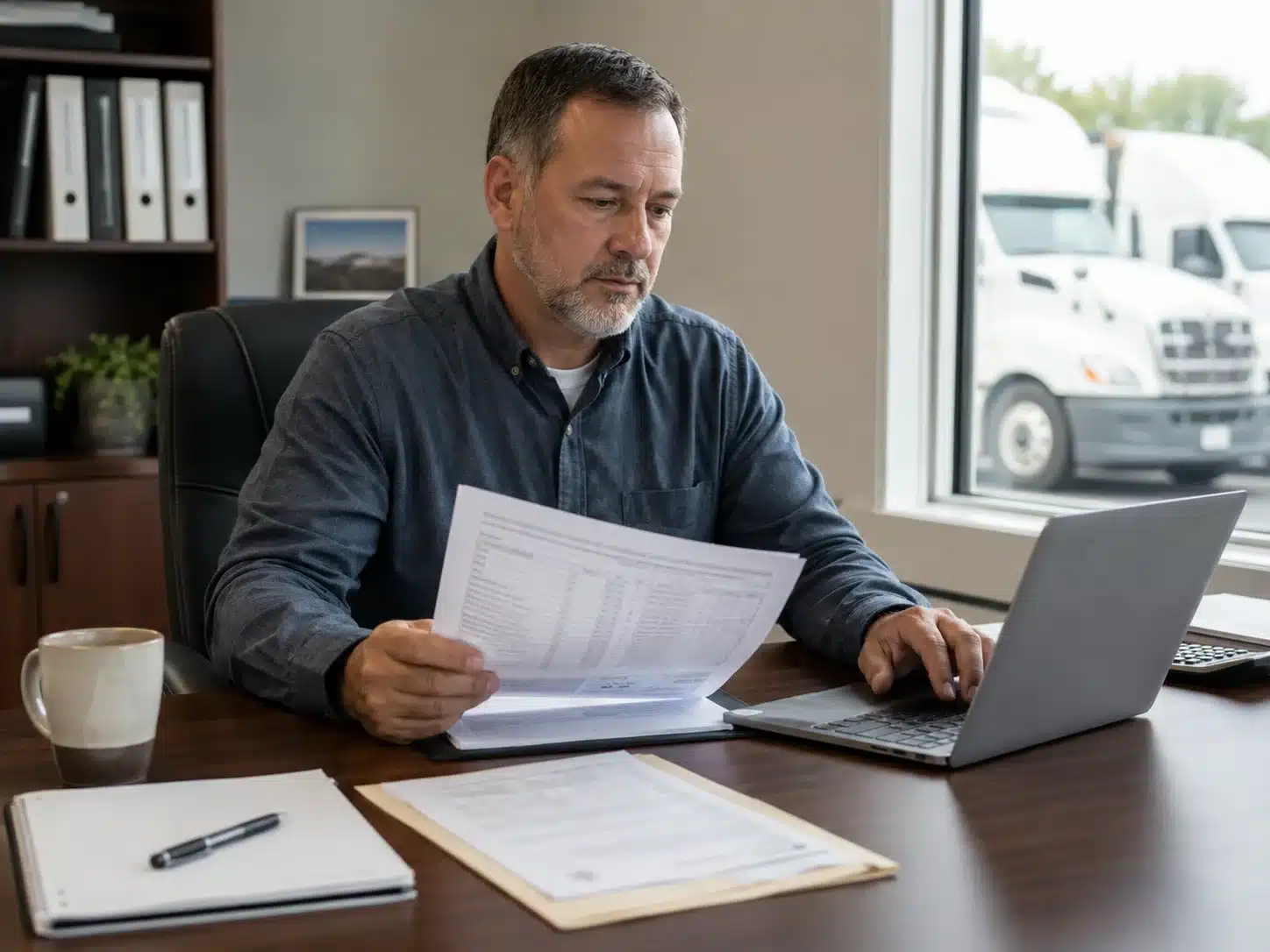
Small fleets carry real compliance risk — usually for practical reasons.
Small fleets often carry the most compliance risk simply because they’re busy running the business and rarely have a full-time safety manager. A single missed requirement can mean wasted money and avoidable stress — especially when an audit notice arrives.
NTCI helps small companies take a practical, defensible approach: real expertise, clear guidance, and support sized to your operation. No overbuying, no guesswork.
Straight answers, no sales pitch.
Do I need a USDOT number?
It depends on several factors: the size and weight of your vehicles, whether you operate in interstate commerce, how many passengers you transport, and whether you haul hazardous materials. In general, FMCSA requires a USDOT number for companies operating in interstate commerce with vehicles or combinations over 10,000 pounds GVWR/GCWR/GVW/GCW, certain passenger operations, and hazmat transportation. Even small companies using pickup trucks and trailers can be subject to the rules if the combined rating or actual weight exceeds the threshold. The safest approach is not to guess — a quick review of your operation can confirm whether a USDOT number is required and what obligations come with it.
Will I get a new entrant audit?
If you’re a new interstate carrier operating under a USDOT number, expect to be part of FMCSA’s New Entrant Safety Assurance Program. FMCSA monitors new entrants for 18 months, and a safety audit is generally conducted within the first 12 months of operation. The audit verifies that your company has basic safety management controls in place and is maintaining the records required under the FMCSRs and, when applicable, the Hazardous Materials Regulations. If you’re newly registered and operating in interstate commerce, it’s reasonable to assume an audit is coming and prepare accordingly.
Are all the mailers and emails I'm receiving legitimate?
No. Some are legitimate offers from private companies, but many are confusing, overpriced, misleading, or designed to look official when they aren’t. FMCSA publishes fraud alerts warning carriers about fake notices, impersonation schemes, and deceptive communications after registration. Because your business information becomes public once you obtain a USDOT number, marketers and questionable vendors often reach out quickly — which is why many small fleets feel overwhelmed right after registering. The key is knowing which items are actually required by FMCSA, which are optional, and which are simply sales tactics.
FMCSA’s fraud alerts: fmcsa.dot.gov/registration/fraud-alerts
Can I manage compliance myself?
In many cases, yes. Smaller companies can manage compliance internally if they have the time, discipline, and structure to stay on top of driver files, recordkeeping, hours of service, maintenance documentation, and other applicable requirements. FMCSA is clear that motor carriers are responsible for knowing and complying with the regulations that apply to their operations. That said, not every company needs the same level of support — some are well served by software and internal accountability, while others benefit from consulting or fully managed support. That’s why NTCI offers options instead of forcing every company into the same program.
What makes NTCI different?
We don’t approach compliance like a call center, a generic software vendor, or a scare-based marketing company. Our team includes former motor carrier enforcement officers and experienced compliance professionals who understand how roadside inspections, safety audits, and enforcement actions actually work. Our guidance is grounded in real regulatory experience — not generic scripts or automated reminders. We provide practical, hands-on support that helps small fleets understand what applies to them, avoid unnecessary spending, prepare for audits, and build an organized, defensible compliance program.
We only drive pickup trucks with trailers — that means we don't need a USDOT number, right?
Not necessarily. A pickup and trailer combination can still trigger FMCSA requirements if you operate in interstate commerce and the truck or combination has a GVWR, GCWR, GVW, or GCW of 10,001 pounds or more. FMCSA states that even if the truck and trailer are each rated under 10,001 pounds, the combination may still be subject to the FMCSRs if the combined rating exceeds 10,001 pounds. Passenger transportation and certain hazmat operations can also trigger registration requirements, and state-specific intrastate rules may apply.
What if we only travel out of state once or twice a year?
Even occasional interstate travel can matter. If your company operates a qualifying commercial motor vehicle in interstate commerce, FMCSA rules can apply even if those trips happen only once or twice a year. Whether the rules apply depends on your actual operation — vehicle and combination weight, passenger activity, and whether you haul hazardous materials — not just how often you cross state lines.
What will the new entrant audit look for?
The audit verifies that your company has basic safety management controls in place and is maintaining the records required under the FMCSRs and, if applicable, the Hazardous Materials Regulations. It usually occurs within the first 12 months of operation and can be conducted at your place of business, at an agreed-upon location, or electronically. Auditors commonly review driver qualification files, hours of service, vehicle inspections, repairs and maintenance, accident records, and — where applicable — drug and alcohol testing compliance.
Do we need drug and alcohol testing?
It depends on whether your drivers are CDL drivers operating CMVs that require a CDL. FMCSA’s drug and alcohol testing program applies to employers of CDL drivers who operate CMVs on public roads. Many smaller operations with only non-CDL-regulated drivers may not need a Part 382 testing program, while companies that use CDL drivers generally do. The right answer depends on your vehicles, licensing requirements, and actual operation.
Do non-CDL drivers need driver qualification files?
In many interstate operations, yes. The driver qualification rules in 49 CFR Part 391 are not limited to CDL drivers. FMCSA requires motor carriers to maintain a qualification file for each driver subject to those rules — so even a driver who doesn’t need a CDL may still need a DQ file if they operate a commercial motor vehicle subject to the FMCSRs.
What happens if we're missing something FMCSA requires?
Missing required items doesn’t automatically end your business, but it does create risk. Depending on what’s missing, FMCSA could identify deficiencies during a roadside inspection, a new entrant audit, or a compliance review — which can lead to warnings, required corrective action, violations, civil penalties, out-of-service exposure, or increased enforcement attention. The sooner you identify and correct gaps, the better your position.
Stop guessing. Get real DOT compliance help.
If you run a small fleet with 1 to 10 drivers, NTCI can help you understand what applies, avoid expensive mistakes, and choose the right level of support for your business.